

Chardonnay's journey in Aotearoa
New Zealand Chardonnay is only getting better, says Joelle Thomson...
For a wine with such a high profile, Chardonnay is only holding on to being the third most popular grape variety in New Zealand by a slim margin – with the gap between it and Pinot Gris narrowing every year.
Right now, Chardonnay is a mere 200 hectares (not quite even that) ahead of Pinot Gris, compared with the 700-hectare lead it had a decade ago. But the quality of New Zealand Chardonnay has never been better.
For Brian Bicknell and his family, who own Mahi wines in Marlborough, Chardonnay is their best-selling wine and does particularly well in the New Zealand market, thanks to the strength of their distributors.
“We sell more Chardonnay in New Zealand than any other variety we make and we aim to make wines driven by palate texture, which is what Chardonnay is all about, rather than aroma. You really can't make it any simpler,” he says.
“Chardonnay asks more and it gives more. It is the grape that refuses to be rushed.”
That simplicity sees hand-picked grapes pressed as whole clusters directly to barrels where they're fermented with wild yeasts and left on lees to bring texture and weight to the Chardonnay made at Mahi.
Bicknell says Chardonnay in Marlborough is no longer the workhorse grape that it was in the early 2000s. Today, he sees it as the craft project – the winemaker's canvas, if you like.
“It's the grape that rewards patience and precision. For Chardonnay, we might get a 10-year average of seven tonnes per hectare, compared with Sauvignon Blanc's 13 tonnes per hectare, which tells the story of how economics diverge sharply, but so does the artistry. Chardonnay asks more and it gives more. It is the grape that refuses to be rushed.”
Asked how he views the quality of New Zealand Chardonnay today compared with 10 years ago, Bicknell says he sees a significant improvement over the last decade as winemakers take a ‘less is more’ approach. Less processing, less intentional work to ‘make’ Chardonnay and more of a hands-off approach are all working well, in his view.
Across the Cook Strait in Martinborough, winemaker Helen Masters of Ata Rangi has a similar philosophy. “I never like bigness in Chardonnay and wanted to slim it down when I started making wine. We have grapes with inherent richness and weight. I don't think we need to build more.”
Today, Masters uses 300-litre French oak puncheons (rather than smaller barrels or barriques). Larger oak barrels mean there's less surface area to the wines inside them so, as those wines age, they pick up less of an overt oak influence while still gaining from the gradual evolution of ageing in barrels.
Less is also more for Marlborough winemaker Simon Waghorn and his partner, Jane, of Astrolabe Wines in Marlborough. Less oak and more wild yeast fermentation are high priorities for Waghorn, who says New Zealand Chardonnay has never been so good, and so hands-off in terms of how it's made.
Chardonnay's quality has risen significantly across the country over the past decade. There's better balance, more accessible flavours, and no longer a reliance on over-the-top buttery, oaky, or reductive flavours to gain complexity. Instead, the complexity found in Chardonnay today comes from improved vineyard sites, more attention to the type of oak use and less new oak overall – at least in the best wines.
There's an overall deeper understanding of the benefit of breaking out of the old moulds and looking at new fermentation vessels too, as father-son winemaking team Tony and Oscar Bish do for Chardonnay at the Urban Winery in Napier with their selection of eggs, cuves and barrels. That pair of Chardonnistas is devoted entirely to Chardonnay and their range is expanding, bringing more complexity to New Zealand's fast-evolving Chardonnay story.
Try this...
2024 Huntress Chardonnay Turama
RRP $55
Huntress
A newly released Hawke's Bay Chardonnay from winemaker Jannine Rickards, who sourced grapes from Oak Estate in Bridge Pa to make this wine. The vineyard is a cooler site, which brings crisp freshness, while creamy textural qualities and a full body add balance and depth.
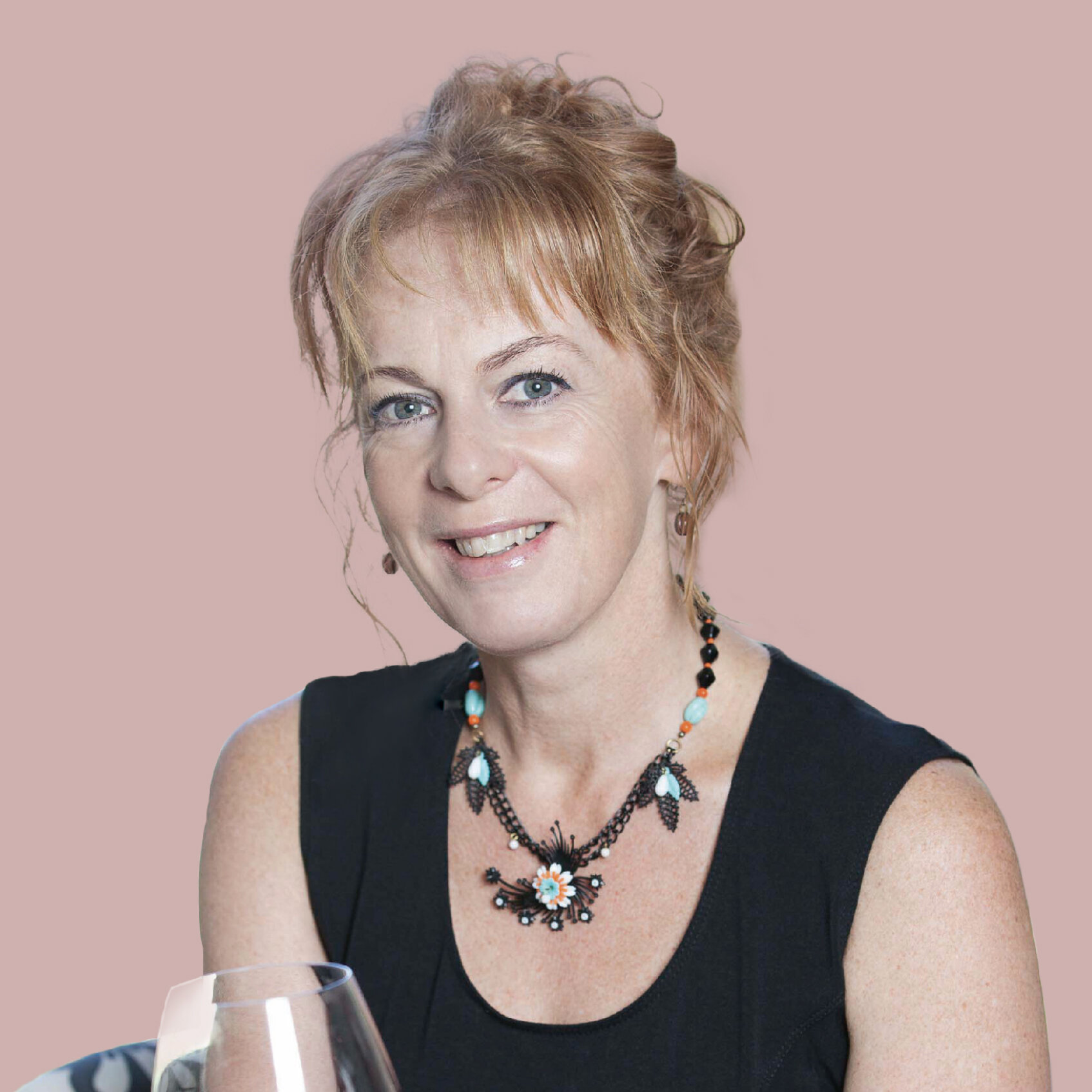
Joelle Thomson is a journalist, wine writer and author.