

Crushing the collab
Kane Stanford explains why your next big idea might come from someone else's brand...
Every now and then a marketing idea lands that makes you think: “Why didn't I think of that?”
The recent Heineken and Heinz collaboration was one of those for me. Two of the world's most recognisable brands came together to create... a beer and tomato sauce bundle. Yup, a five-pack of Heineken plus a bottle of Heinz Tomato Ketchup.
No rocket science. No “reimagining the drinking occasion through a multi-sensory flavour journey”. Just two brands acknowledging something humans have been doing forever: drinking beer while eating food covered in tomato sauce.
That's the magic of great collaborations. They don't create new behaviour: they spot existing behaviour and put a spotlight on it.
As marketing guru Mark Ritson has written, “...well thought out co-branding is as good as marketing gets”. His argument is that the best collaborations allow brands to borrow meaning from each other, creating something neither brand could achieve alone. 1+1 = 3. The dream.
“The question isn’t ‘Can we collaborate?’ It’s ‘Should these two brands be together?’”
New Zealand has become very good at this. Perhaps the best example is Invivo. Its partnerships with Graham Norton and Sarah Jessica Parker have become case studies in how to do celebrity collaborations properly. These aren't celebrities simply appearing on a bottle – they are genuine partners involved in the product, the storytelling, and the brand building.
Invivo didn't just borrow fame. It created credibility, personality, and global cut-through. A small New Zealand wine company found a way to compete on the world stage by doing something bigger brands couldn't easily copy: creating authentic human connections.
Then there's Garage Project. Lots of breweries release the occasional collaboration beer, but Garage Project has made collaboration part of its brand DNA. Its partnerships with Kiwi brands like Whittaker's, Fix & Fogg, and Lewis Road Creamery work because they feel natural. They bring together brands with shared values: creativity, craftsmanship, and a willingness to do things differently.
The spirits category has great examples too. Aussie gin brand Four Pillars teamed up with Melbourne's celebrated Lune Croissanterie bakery to create Croissant Gin, made using surplus croissants from Lune's production process. It became one of the most talked-about collaborations in recent years because it connected two premium brands obsessed with craft and quality, had a great story, and offered a genuinely interesting product that people wanted to try. It wasn't just gin with a bakery logo attached – it was a story you could taste.
So, why should brands collaborate?
1. To create disproportionate attention
Consumers are drowning in marketing messages and getting noticed is hard. Two brands coming together creates a natural reason for people to pay attention.
2. To borrow credibility and meaning
Every brand owns certain associations. The right partner can add new ones. A spirits brand might borrow fashion credibility. A beer brand might borrow food culture. A wine brand might borrow celebrity reach.
3. To access new audiences
The best collaborations are a bridge to people who may never have considered your brand before. This is particularly useful in a retail environment where chocolate buyers are now seeing a collab ad for beer, for example.
But before you start emailing every brand manager in town, there are three things to get right.
1. The partnership must make sense
Consumers are smart. They can smell a desperate marketing marriage from a mile away. The question isn't “Can we collaborate?” It's “Should these two brands be together?”
2. Both brands need equity to bring to the party
Two weak brands don't magically become strong because they stand next to each other. The collaboration works because both partners have something valuable to share.
3. Create something genuinely interesting
The best partnerships create something new: a product, an experience, or a story.
The drinks industry is obsessed with innovation. New flavours. New formats. New occasions. But perhaps one of the biggest opportunities sitting in front of marketers is not inventing something completely new – it's finding another brand that already has the piece of the puzzle you're missing.
Because sometimes the smartest thing your brand can do is admit that you don't have all the answers. And invite another brand to the bar.
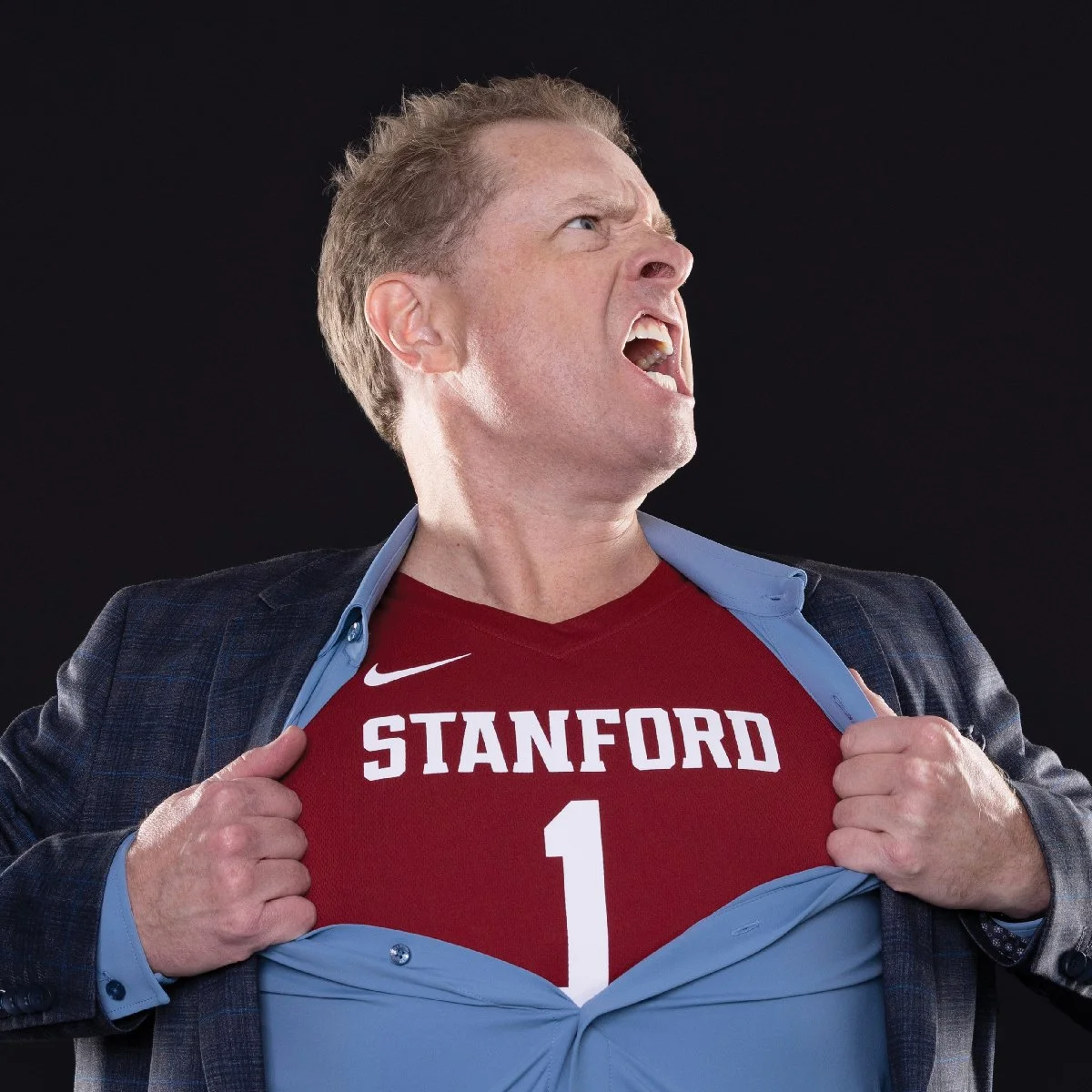
Kane Stanford has worked for 13+ years in liquor marketing in New Zealand at Independent Liquor, Bacardi and Besos Margarita. Now in FMCG, he is also Head Strategy Judge at the 2 Degrees Auckland Chamber Business Awards. Kane has nominated himself for several marketing awards, but never won.